
IT
Plaster and surface repairs
← All interventions

Plaster and surface repairs

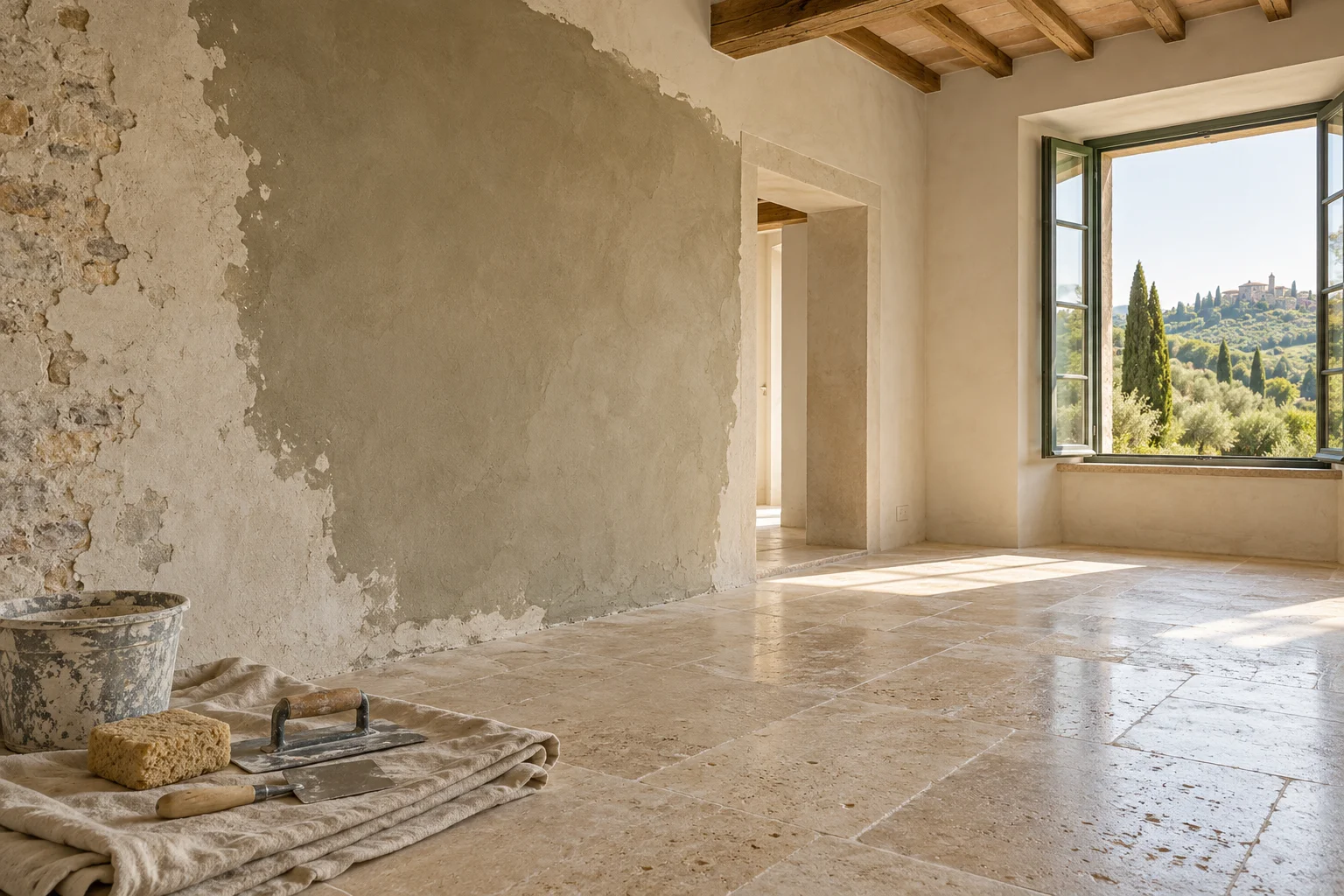
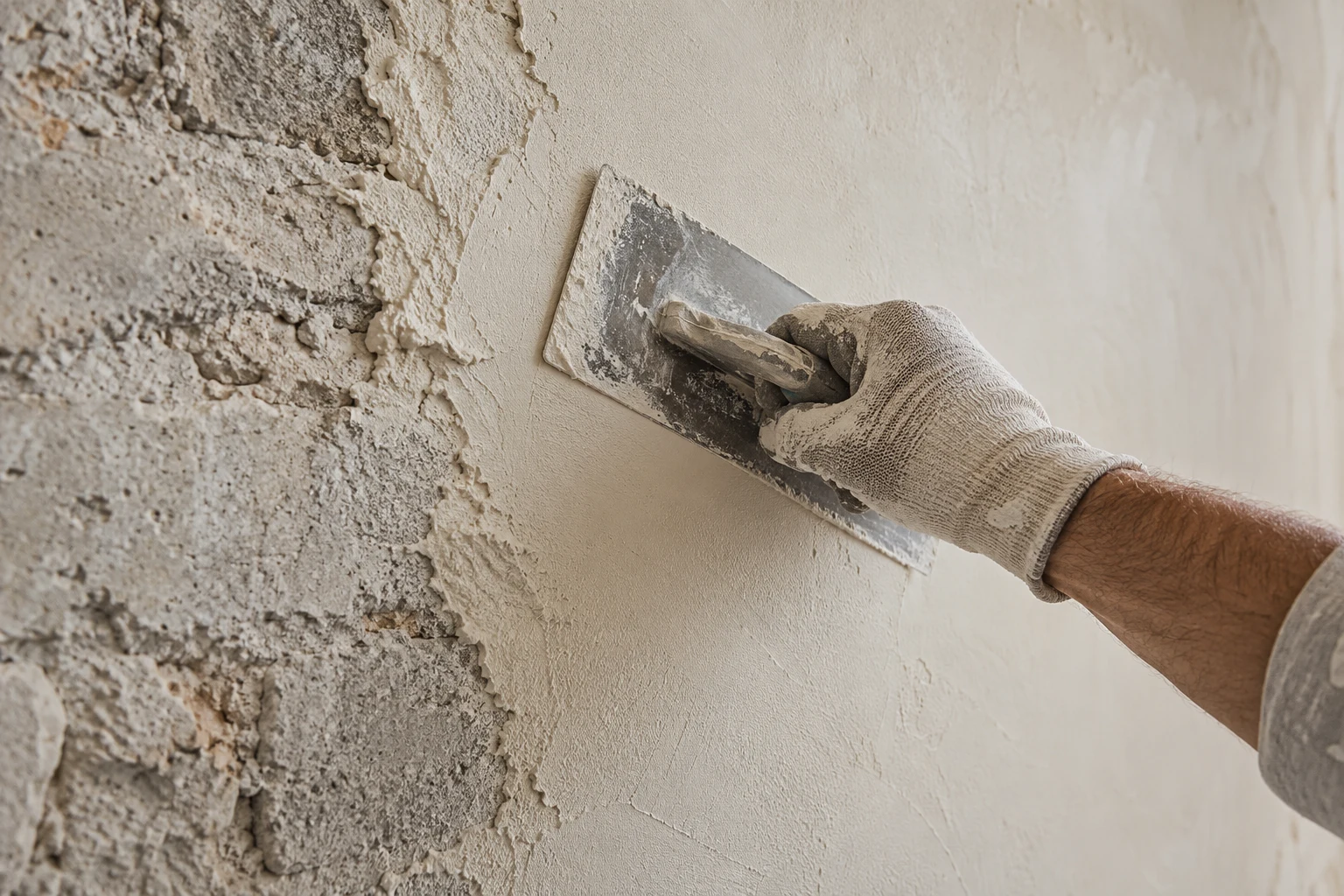
A new finish depends on preparation of the substrate. Loose areas, existing coatings and changes in the surface must be identified before selecting the repair system.

THE WORK IN DETAIL

The substrate guides the choice of plaster.

Walls, ceilings and already-finished surfaces need different descriptions. CEP distinguishes lime plaster systems, repairs and finishing: choose the work after identifying whether plaster needs rebuilding or an existing surface needs attention.

The substrate guides the choice of plaster.
Materials, surfaces and preparation
01

Whole wall or local repair

Photograph the defect close up and the entire wall. A small detached area may need a wider repair to blend into the surface; a general finish needs quantities for all affected walls. Separate ceilings from walls in your request so measurements can be matched to the correct specification.

02

Material, texture and finish

Describe the existing coating and the result you want. Plaster, skim coating and paint serve different purposes and are not interchangeable terms. CEP specifications state the proposed system: compare preparation and finish as well as area before choosing work for the whole property.

03

Recording stains and detachment

Note when the problem appears and whether it changes with rainfall or use of the room. Do not automatically attribute every stain to rising damp. The cause and the surface repair are separate issues; the plaster guide helps gather information without assuming a diagnosis.

YOUR PROPERTY

Three useful details for your request

  • Are walls, ceilings or both affected?
  • Is the defect localised or widespread?
  • What coating is on the surface today?
Discuss the work ↗